
Preventative Health Hub
Take proactive steps towards better healthUnderstanding your health risks and making small lifestyle changes can help prevent or manage many common health conditions.
Between the 1st – 30th September you can explore this hub for practical advice, resources and support to help you take action. Take steps today to help protect your long-term health.
Why does preventative health matter?
Preventative health is about taking simple, proactive steps to support your wellbeing before health concerns become more serious. While not every illness can be prevented, many common health conditions can be reduced or managed through healthy habits, regular health checks and recognising changes in your physical or mental health early.
This hub brings together expert advice, practical tools and resources to help you understand your health, build healthier habits and take positive steps to support your long-term wellbeing.
How prevention aware are you?
Know your numbers
Knowing your numbers is an important step in understanding and protecting your health. Monitoring key health indicators such as blood pressure, blood sugar, cholesterol and weight can help you identify potential risks early, understand when changes may be needed, and seek further support when appropriate.
Blood pressure
Blood pressure is the force of blood pushing against the walls of your arteries as your heart pumps. Keeping it within a healthy range is important for protecting your heart, brain and overall health.
High blood pressure often has no warning signs, but over time it can increase the risk of serious conditions such as heart disease, stroke and kidney problems. This is why it’s important to check your blood pressure regularly.
Learn about the benefits of measuring your blood pressure at home:

Cholesterol
Cholesterol is a fatty substance that your body needs to work properly, but maintaining the right balance is important for your health. While ‘good’ cholesterol helps protect your heart, high levels of ‘bad’ cholesterol can build up in your arteries and increase the risk of heart disease and stroke.
As high cholesterol often has no symptoms, regular checks can help you understand your numbers and take action.
Find out more about ways to manage cholesterol:

Blood sugar
Blood sugar (glucose) is the main source of energy for your body and is controlled by the hormone insulin. When blood sugar levels become too high, it can lead to conditions such as type 2 diabetes, which can increase the risk of serious health problems.
Understanding your blood sugar levels and making healthy lifestyle choices can help reduce your risk and support long-term health.
Type 2 diabetes risk checker (Diabetes UK)
Learn more about the symptoms:

Weight management
Maintaining a healthy weight is an important part of supporting your overall health and wellbeing. Carrying excess weight can increase the risk of conditions such as type 2 diabetes, heart disease, stroke and some cancers.
Weight management is not about quick fixes or restrictive diets, but about making sustainable lifestyle changes, including healthy eating, regular physical activity, good sleep and looking after your mental wellbeing.
Common health conditions
This section is to help you grow your understanding of some common health risks.
Cardiovascular disease
Cardiovascular disease (CVD) refers to conditions that affect the heart and blood vessels, including heart attacks, strokes and heart disease. It is one of the leading causes of ill health and can be influenced by factors such as high blood pressure, high cholesterol, raised blood sugar, smoking, inactivity and family history.
Understanding your risk and taking steps to look after your heart health can help reduce your chances of developing cardiovascular conditions.
Learn about CVD at British Heart Foundation.


Musculoskeletal health
Musculoskeletal (MSK) conditions affect the muscles, bones, joints, tendons and ligaments, with common issues including back pain, neck pain and repetitive strain injuries. These problems can affect people in all types of roles and may be linked to factors such as posture, manual handling, repetitive movements, inactivity or previous injuries.
Early awareness, good working practices and looking after your physical health can help protect your muscles and joints.
Learn about ways to protect your MSK health at work in our article.
Cancer awareness
Cancer occurs when abnormal cells grow and divide in an uncontrolled way. There are many different types of cancer, and while some risk factors cannot be changed, others are linked to lifestyle, environmental and genetic factors.
Being aware of changes in your body, recognising possible signs and symptoms, and attending recommended screening appointments can help with early detection and improve outcomes.
Learn more about cancer prevention at Cancer Research UK.
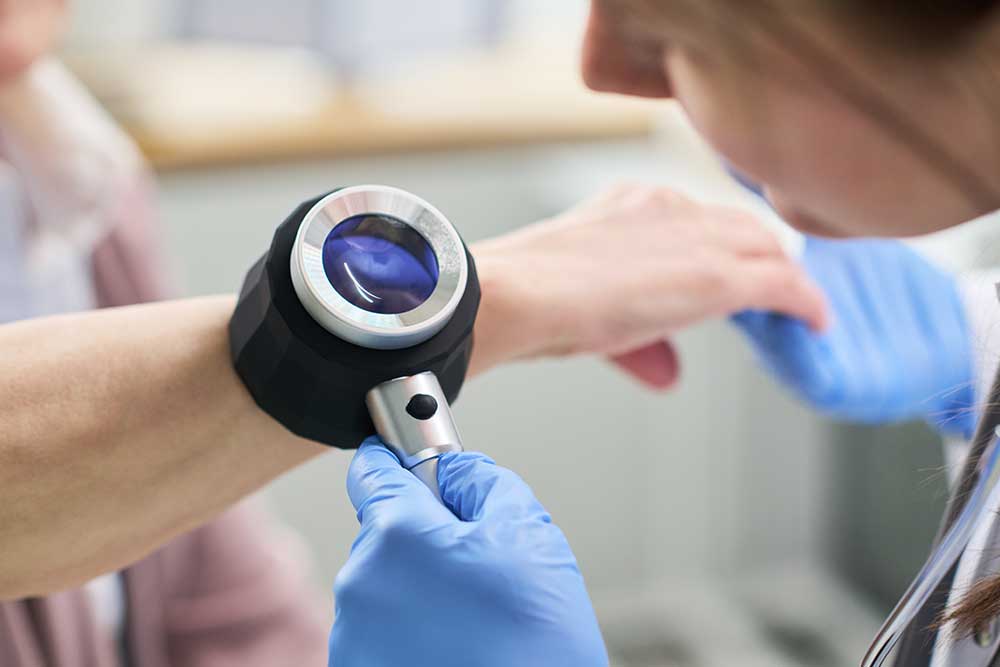
Lifestyle habits that support long-term health



Regular physical activity
Regular movement is one of the most effective ways to protect both your physical and mental health. Being active helps reduce the risk of heart disease, type 2 diabetes, some cancers and musculoskeletal problems, while also improving mood, reducing stress and boosting energy levels. Even short bursts of movement throughout the day can make a meaningful difference.
Ways to move more:
- Break up long periods of sitting or standing by moving or stretching.
- Consider a short walk before work, during your breaks, or while taking phone calls where possible.
- Stretch regularly if you work at a desk.
- Take the stairs where possible.
- Build activity into your commute or daily routine.
Discover ways to help you stay motivated with physical activity:

Eat a healthy, balanced diet
A balanced diet provides the nutrients your body needs to function at its best. Eating well supports your heart, helps maintain a healthy weight, improves energy levels and concentration, and can lower your risk of conditions such as type 2 diabetes, heart disease and some cancers. Staying well hydrated is equally important for your physical and mental wellbeing.
Ways to eat well:
- Fill your meals with plenty of fruit, vegetables and wholegrains.
- Include lean proteins and healthy fats.
- Remember to keep hydrated throughout the day.
- Plan meals and prepare healthy lunches in advance.
- Keep nutritious snacks available to reduce the temptation of less healthy options.
Explore more about what a healthy balanced diet looks like at British Nutrition Foundation.

Prioritise good quality sleep
Sleep is essential for both body and mind. Good quality sleep supports concentration, memory, mood and immune function, while helping your body recover and regulate hormones that influence appetite, blood pressure and blood sugar. Poor sleep over time can increase the risk of several long-term health conditions.
Ways to improve sleep:
- Keep a consistent bedtime and wake-up routine.
- Reduce screen time before bed.
- Limit caffeine and alcohol later in the day.
- Create a comfortable, relaxing sleep environment.
- Aim for enough sleep to feel rested each day.
Read more about sleep problems and things you can do here.

Manage stress and mental wellbeing
Looking after your mental wellbeing is an important part of protecting your overall health. While some stress is a normal part of life, ongoing stress can affect both physical and mental health, increasing the risk of issues such as high blood pressure, poor sleep, anxiety and burnout. Taking time to support your wellbeing can improve resilience, productivity and quality of life.
Ways to support your wellbeing:
- Stay physically active and spend time outdoors.
- Make time for hobbies and social connections.
- Try to practice a healthy work-life balance.
- Speak to your manager if work-related pressures are becoming difficult to manage.
- Access available support if you need it, such as an Employee Assistance Programme (EAP), or making an appointment with your GP if your mental health is impacting your day to day life.
Explore our videos on mental fitness and managing stress.

Reduce your health risks
Many of the most common long-term health conditions are linked to lifestyle factors that can often be improved with the right support. Smoking, excessive alcohol consumption, physical inactivity, poor diet and carrying excess weight all increase the risk of diseases such as heart disease, stroke, type 2 diabetes and some cancers. Small, sustainable changes can have a significant impact on your future health.
If you’d like support you could consider:
- Speaking to your GP or pharmacist for advice.
- Accessing available interventions specific to a challenge you may have, such as NHS stop smoking services if you are trying to quit.
- Make use of your organisation’s health and wellbeing initiatives where available.
- Take up health checks and screening opportunities you’re eligible for.
- Set realistic goals and focus on gradual, lasting changes.

Check what support is available through your organisation
Your organisation may offer a range of health and wellbeing initiatives to help you stay healthy and provide access to support when you need it. These may include an Employee Assistance Programme (EAP), occupational health services, digital flu vouchers, health assessments, physiotherapy support, and other wellbeing resources.
Preventative health at an organisational level
Supporting employee health isn’t just about responding when someone becomes unwell – it’s about creating a workplace that helps people stay healthy in the first place.
Occupational health plays an important role in prevention by helping organisations identify health risks early, supporting employees to remain in work where possible, and providing expert advice when health concerns arise.
Occupational health professionals bring clinical expertise across physical health, mental health and workplace wellbeing. They can support a wide range of needs, from musculoskeletal (MSK) conditions and mental health to specialist workplace risks, health surveillance, shift work, safety-critical roles and hazardous working environments. By working alongside managers and HR teams, occupational health helps ensure employees receive the right support at the right time.

Benefits for employers
- Identify health risks and intervene early.
- Support managers with evidence-based clinical guidance.
- Reduce avoidable sickness absence and support retention.
- Promote a healthier, safer and more productive workforce.
- Demonstrate a proactive commitment to employee wellbeing.
Benefits for employees
- Better understand health concerns and workplace impacts.
- Access timely clinical advice and support.
- Stay healthy, safe and productive at work.
- Receive recommendations for workplace adjustments where needed.
- Return to work safely and sustainably following illness or injury.
Interested in preventative interventions for your team?
If you manage health and wellbeing for your organisation, contact us or speak to your Optima Health representative to discover how we can support your organisation’s preventative health strategy.

Are you ready for flu season?
Protect your people and your business with our digital flu vouchers.

Employee health checks
Support early intervention with our onsite health checks.
Further support online
NHS/Better Health – Advice on weight management, quitting smoking, staying active and drinking less alcohol.
Diabetes UK – Support and signposting, including a helpline.
Heart UK – Information and support around cholesterol.
Mind – Mental health support and signposting.
Was this page/information useful?
We’d really value your feedback.